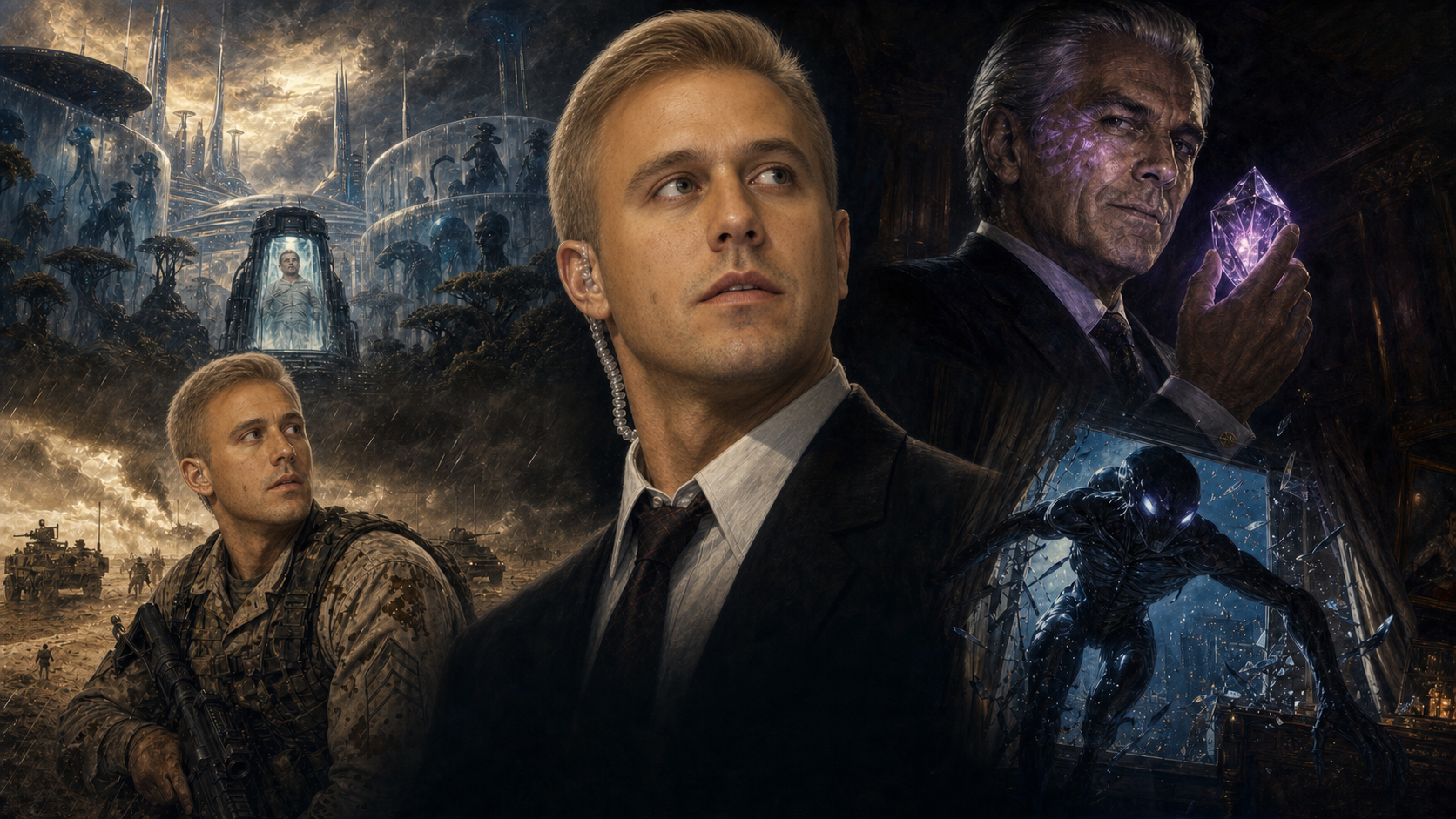
Story 02 / Conspiracy science fiction
The Secret World Among Us
I thought I was protecting the world. I was only choosing who would own it.
After the Gulf War, I wanted a second career worthy of the first. The Secret Service gave me a badge, a senator gave me a purpose, and one gunshot gave me the adventure I thought I wanted. It took the end of my world to understand who I had really been protecting.
01
Dust and rain
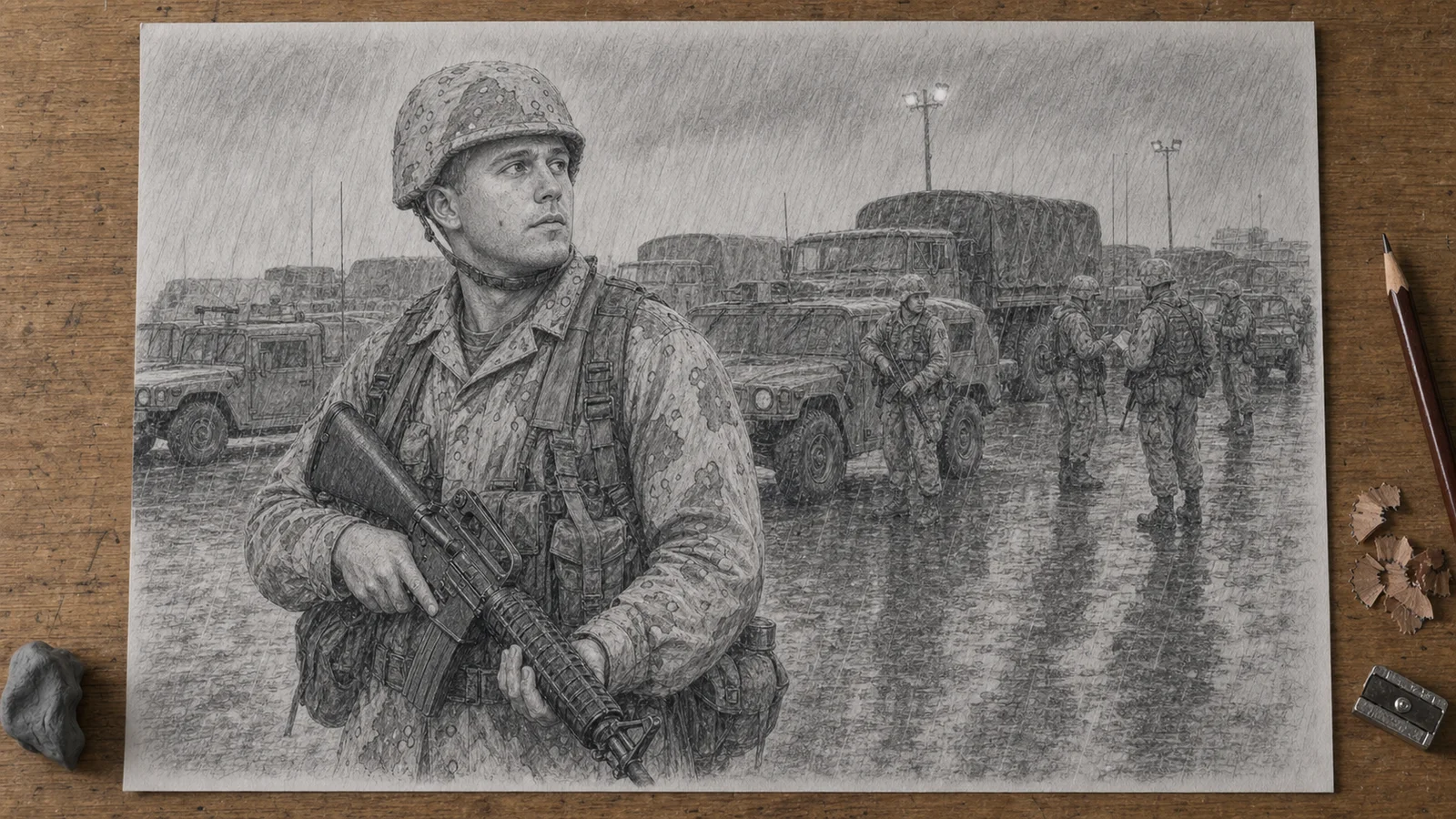
I was a typical kid from a typical family, which is another way of saying I had no idea what I wanted to do with my life. I was twenty years old, strong enough to believe that made me invincible, and impatient enough to think every answer had to arrive immediately. The Army seemed like a good place to borrow some direction.
It turned out I liked it. I liked knowing where to be, what to carry, and who was counting on me. I liked the sound of boots moving together before sunrise. I even liked the miserable parts after they were over, because misery makes a better story when you are telling it somewhere dry.
By the time Iraq invaded Kuwait, I had been in long enough to know that war was not the adventure young men imagined. Adventure is what you call danger when you are sitting safely at home. In the desert, danger was maintenance, repetition, bad coffee, and the constant knowledge that an ordinary morning could turn deadly before lunch.
I earned my sergeant stripes in Kuwait. The promotion came with a handshake, more responsibility, and exactly the same amount of sleep. I was proud of it anyway. The men had already started looking to me before the Army made it official, and that mattered more than the rank.
One afternoon, the sky went nearly black and rain fell hard enough to flatten the dust. Water ran from our helmets, pooled beneath the trucks, and turned the sand into mud that grabbed at our boots. Everyone stopped for a moment and watched it happen.
The desert smelled alive. I remember thinking that the ground had been waiting years for that rain and knew exactly what to do when it came.
Memory is strange. I have forgotten the names of roads we drove, reports I signed, and officers I saluted. I still remember that smell. Wet sand, diesel fuel, canvas, and the faint electrical bite of a storm moving away.
At the time, I thought it was just weather.
02
Back home
I stayed in for fifteen years. When the post-Cold War drawdown rolled through, the Army offered people like me an early retirement through a temporary program. I told myself I was ready for civilian life. The truth was that I had no idea what civilian life was supposed to look like.
I had never married. My mother called it commitment trouble. My friends said I had bad taste in women. I told them I did not have a taste in women because I wanted to taste all of them before I settled down.
That line sounded cleverer when I was younger.
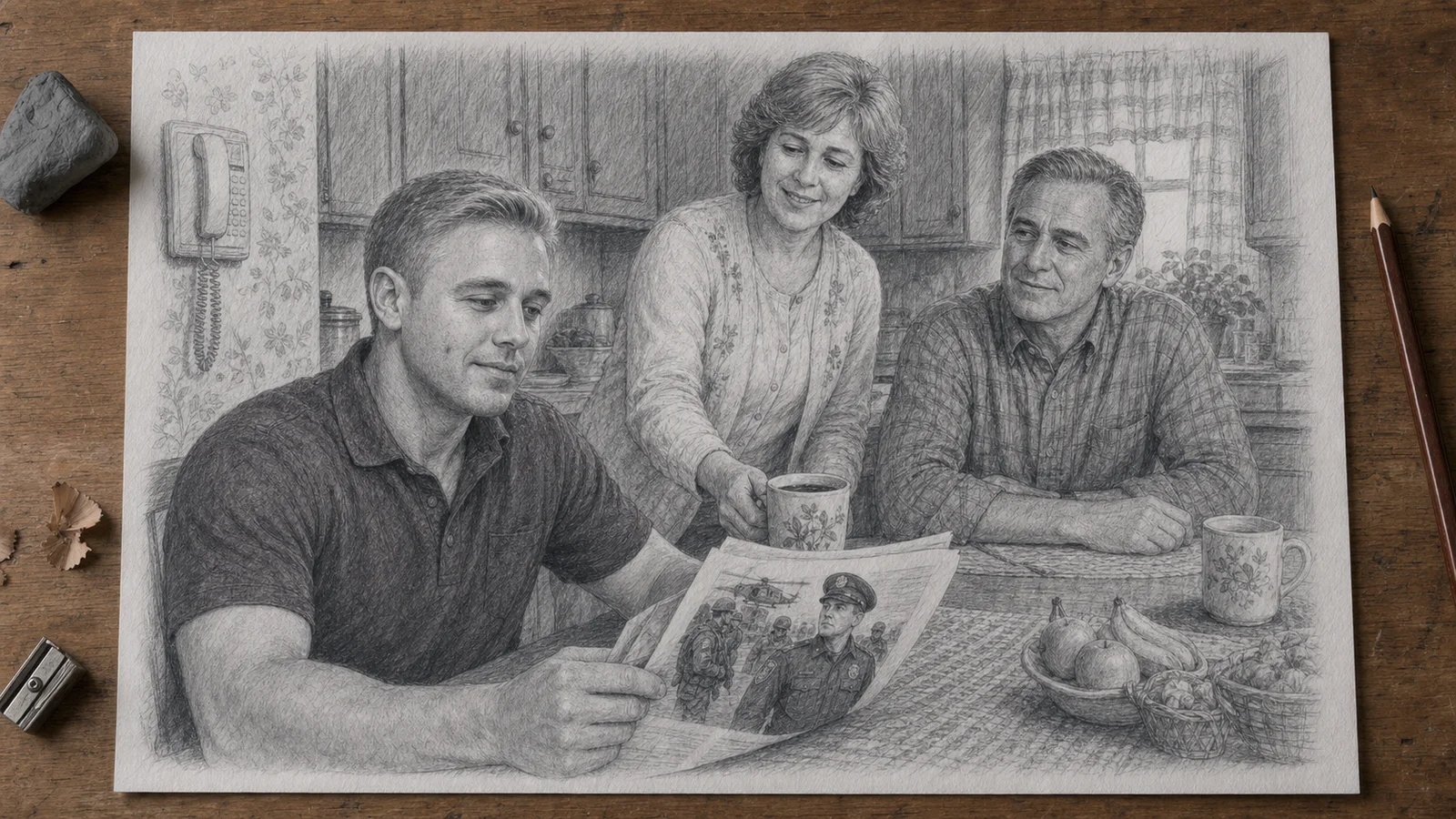
My parents let me move back home while I figured things out. They were happier about the arrangement than I was, although I liked coming downstairs to coffee that did not come from a field pot. My father had turned the spare room into storage years earlier. He cleared enough space for a bed, pointed at the boxes, and said, "Your mother says those are memories. I say they are a fire code."
It was the late 1990s, and job hunting still meant circling ads in a newspaper. I considered security work, police departments, and a warehouse management position that promised excellent advancement to anyone willing to work nights, weekends, holidays, and apparently every other day.
Then I saw the advertisement for the United States Secret Service.
My imagination went to work before common sense could interfere. I pictured standing beside the president, traveling the world, spotting assassins in a crowd, and doing something important for the country. The badge seemed like a continuation of the life I had built, except with a suit, better hotels, and fewer sandstorms.
I filled out the application. Then came the interviews, medical examinations, background investigation, physical tests, and enough paperwork to make the Army look casual. I expected rejection just enough to protect my pride.
The acceptance letter arrived on a Tuesday.
My mother read it twice. My father shook my hand. I went upstairs, closed the bedroom door, and smiled like that twenty-year-old kid had finally found his next answer.
03
Two academies
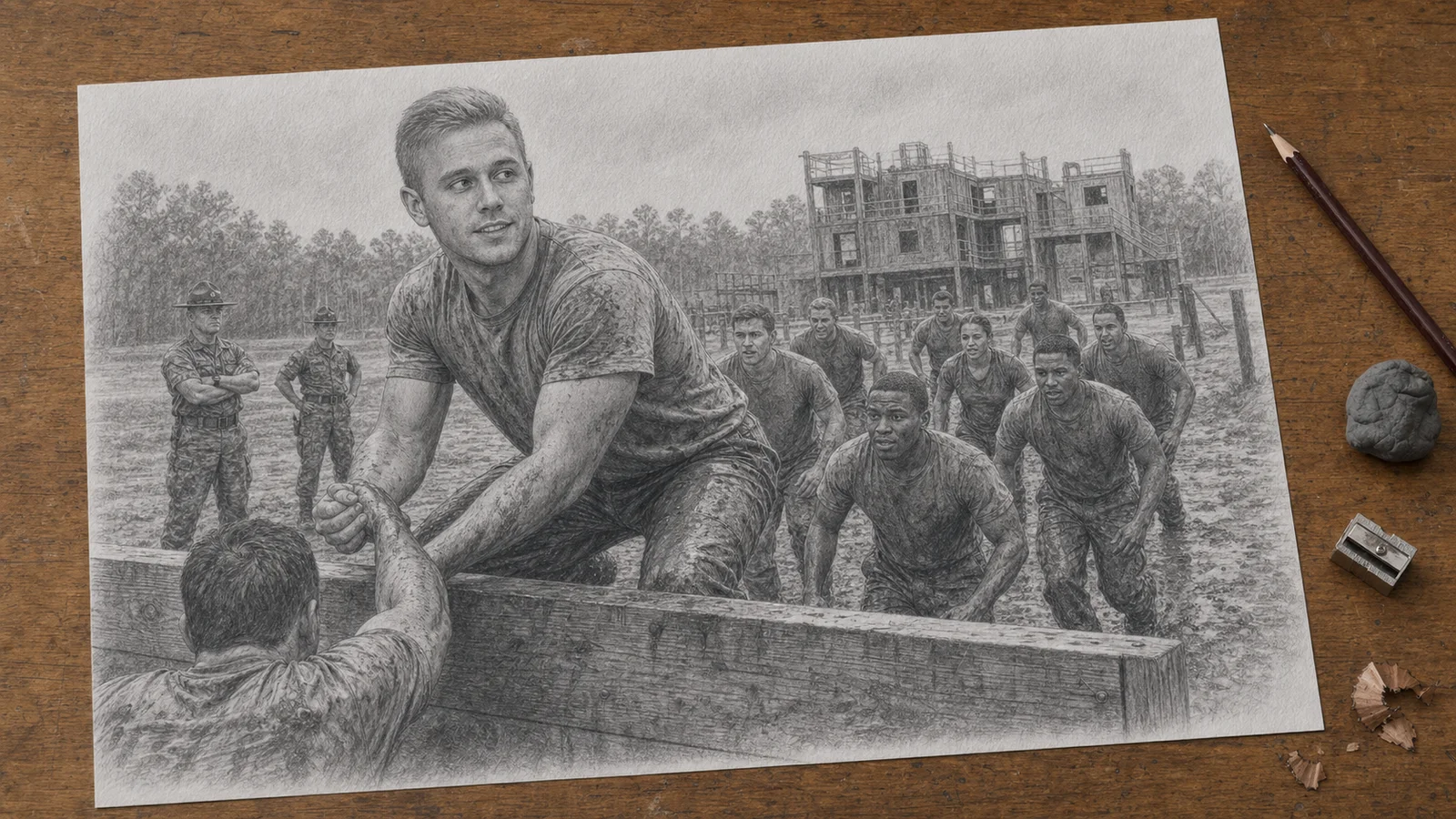
First came Glynco, Georgia, and the Federal Law Enforcement Training Center. It was another academy, another set of rules, and another group of adults discovering that instructors can always find a hill when they want you to run.
This time the days included federal law, surveillance, interviews, evidence, reports, firearms, defensive tactics, and the thousand small judgments that separate a lawful arrest from a ruined case. We spent long hours in classrooms and longer hours pretending we were not tired.
I had an advantage. I already knew that training becomes easier the moment you stop fighting it. I knew how to listen, how to take correction without making it personal, and how to keep moving when the person next to me wanted to quit.
That last part made the difference.
Some trainees were smarter than I was. Some were faster. A few could quote case law as if they had written it themselves. What many of them lacked was experience being responsible for somebody besides themselves.
When a classmate froze during a practical exercise, I talked him through it. When another fell behind on the obstacle course, I went back. Leadership was not standing in front and looking impressive. It was making sure the people behind you arrived.
After Glynco came the Secret Service training in Maryland at the James J. Rowley Training Center. The work became more specific, with protective formations, advances, motorcades, emergency medicine, driving, weapons, and the discipline of noticing what did not belong.
I finished at the top of both classes. I mention that because I was proud of it, and because humility is easier when you have already told people you were number one.
On free nights, the younger trainees followed me to a nearby bar and asked about Iraq. I gave them stories with the boring parts removed. The desert became hotter, the explosions became closer, and I became a little braver with each round.
They listened because they thought I had already lived an extraordinary life.
I listened to myself because I thought the next one was about to begin.
04
Funny money
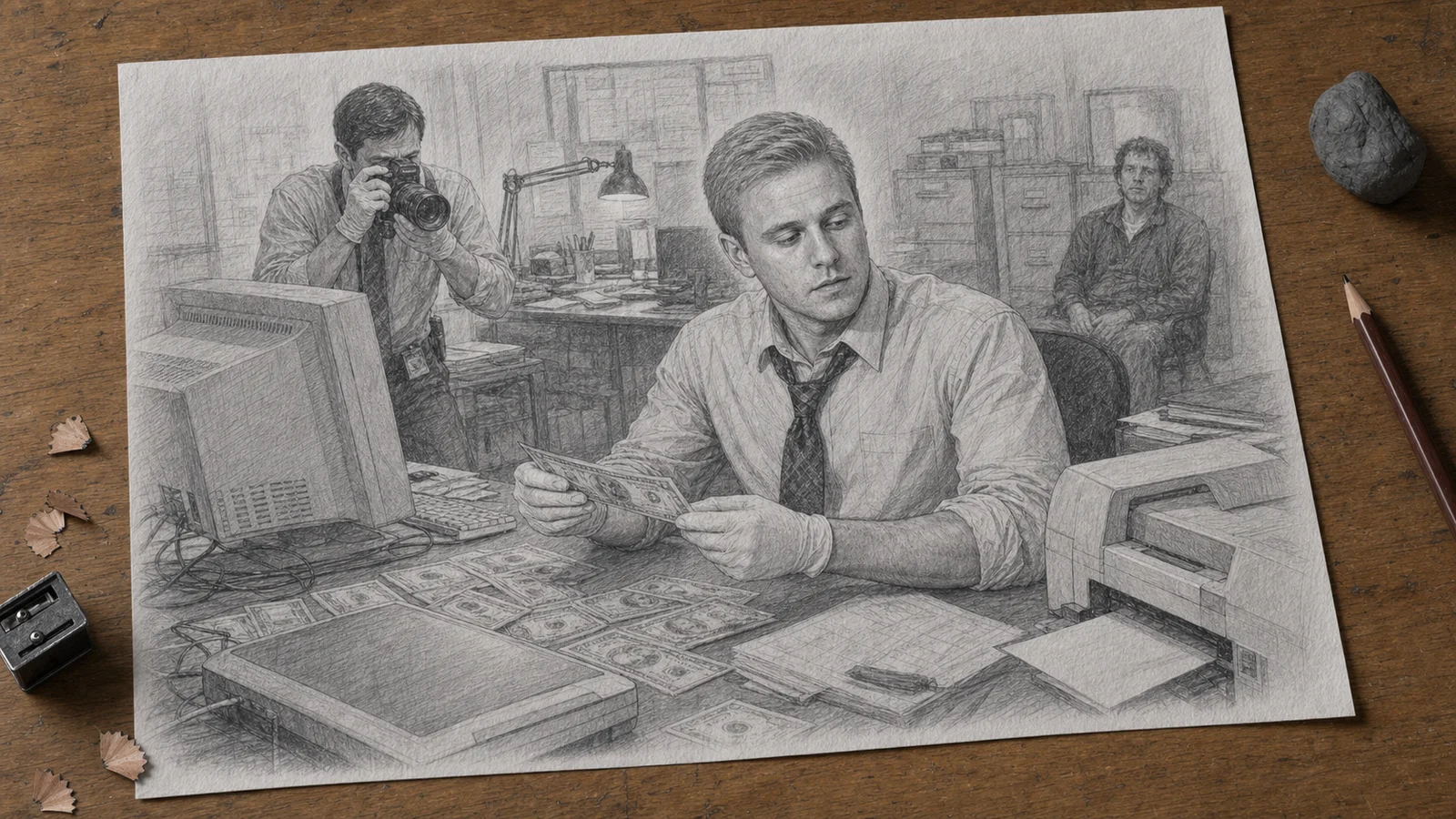
I expected glamour. The Service gave me a field office.
That was normal. New agents investigated financial crimes, counterfeit currency, fraud, and the other violations the public forgot belonged to the same agency that protected presidents. The work mattered. It just did not look like the movie playing in my head.
My first counterfeit case involved a man with a Gateway desktop, a flatbed scanner, an inkjet printer, and more confidence than skill. He copied twenty-dollar bills on ordinary paper and tried to age them with coffee. The apartment smelled like burnt grounds and desperation.
When we entered, he tried to hide the printer under a blanket. It was still running.
I stood there wearing evidence gloves, watching another crooked twenty slide into the output tray, and wondered whether the president knew what I was doing on his behalf.
There were larger cases, of course. Organized crews, stolen identities, fraudulent checks, payment schemes, and people clever enough to cause real damage. Still, most days were interviews, reports, subpoenas, surveillance, and waiting for somebody to make the mistake we already knew they would make.
I wanted travel, danger, and the kind of story that made a room go quiet. I got fluorescent lighting and suspects who asked whether cooperation meant they could keep the computer.
Then our office received a request for protective support at a speech by Senator Dickenson.
Dickenson had announced a presidential campaign and qualified for protection after a series of credible threats. He was powerful, polished, and able to answer a question without getting anywhere near the subject. He had the charm of a successful car salesman and the eyes of someone measuring the value of everything in the room.
I did not like him.
I also did not care. Protecting likable people was not the job. Protecting the office, the process, and the country was the job.
Besides, it was only one speech.
05
The senator
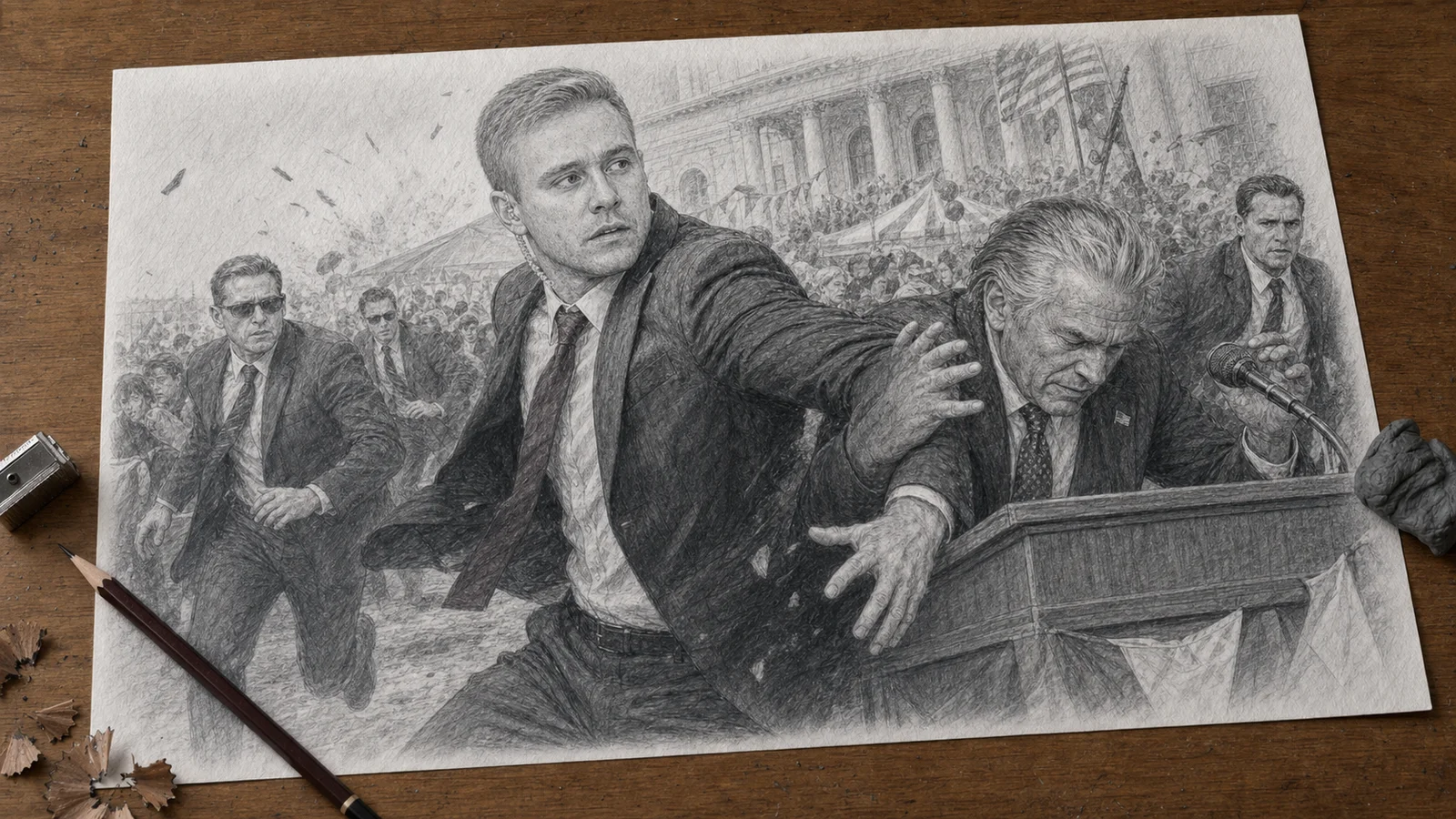
The speech was outdoors, crowded, and hot. We had screened the site, established the routes, coordinated with local police, and worked through the possibilities. Then thousands of people arrived and turned every clean plan into a living problem.
Dickenson stepped to the microphone and became the man television cameras loved. He talked about sacrifice, service, and ordinary Americans. He said every word as if he had discovered it that morning.
I was watching hands.
Faces lie easily. Hands are less practiced.
A man near the side barrier reached beneath his jacket. I saw the shoulder turn, the elbow rise, and a dark shape clear the fabric. Training took over before thought finished arriving.
I moved Dickenson.
The first shot missed him. The second found me high in the shoulder and spun me against the podium. Other agents covered the senator, local officers drove into the crowd, and somebody landed on my back hard enough to make breathing a negotiation.
The shooter did not get a third shot.
I woke in a hospital with my team crowded around the bed. There were flowers, cards, cameras outside, and a television calling me a hero. I tried to sit up while everyone told me not to. Naturally, I sat up farther.
I enjoyed the attention. I will admit that. I had imagined heroism for years, and there it was, complete with official praise and a photograph of Dickenson looking solemn beside my mother.
The reality was less impressive. I could not put on a shirt without help. Laughing hurt. Sneezing felt like being shot a second time. The nurse who changed my dressing was immune to glory and told me to stop performing for visitors.
When the room emptied, I stared at the ceiling and felt foolish. The heroic moment had lasted seconds. Survival was going to take months.
Ouch.
06
A personal request
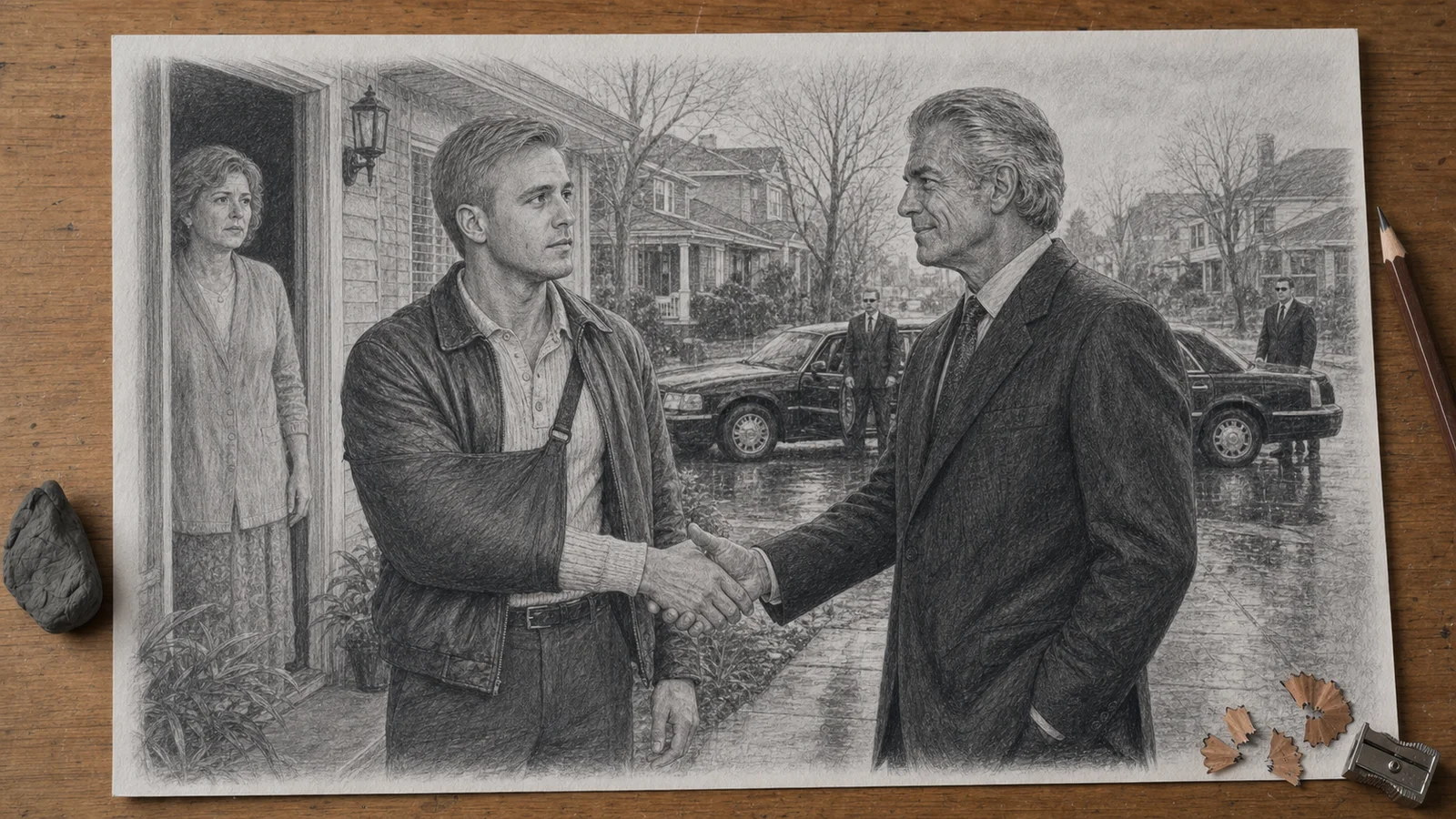
I was home on medical leave when a black limousine stopped in front of my apartment building.
My mother had been staying with me long enough to make sure I ate, changed the dressing on time, and did not mistake painkillers for ambition. She looked through the blinds as two agents stepped out. Then Senator Dickenson emerged, followed by an aide carrying an umbrella despite the fact that the rain had already stopped.
My mother opened the apartment door before they knocked.
Dickenson thanked her for raising a courageous son with enough warmth to make the line sound spontaneous. Then he crossed my cramped living room, declined the chair with the laundry on it, and turned to me.
"I owe you my life," he said.
"You can pay me back with a job that involves fewer printers."
He laughed. The agents behind him did not.
Dickenson had spoken to the director. His campaign was ending, but intelligence officials believed the threat against him extended beyond the shooter. The president had authorized continued protection under an unusual designation, and Dickenson wanted me assigned to the detail when I recovered. He offered me the job right there in the apartment.
Protectees did not normally choose agents. Senators did not normally climb three flights of stairs to recruit them beside a stack of unopened mail and a television balanced on milk crates. Nothing about the request followed the clean lines taught at the academy.
I had been around government long enough to know the book was not always the same thing as reality.
I accepted.
The detail was professional, but different. They communicated with glances before their radios carried anything. They changed routes without debate. A few seemed to know where Dickenson intended to go before he said it.
I told myself that was what a well-run team looked like.
On my first night back, Dickenson asked me to sit with him after the others cleared the room.
"Do you believe there are things in this world most people never see?" he asked.
I thought he meant power, intelligence work, or the private machinery behind public events.
"Every day," I said.
He smiled.
"Good. You may be more prepared than I thought."
07
The long detail
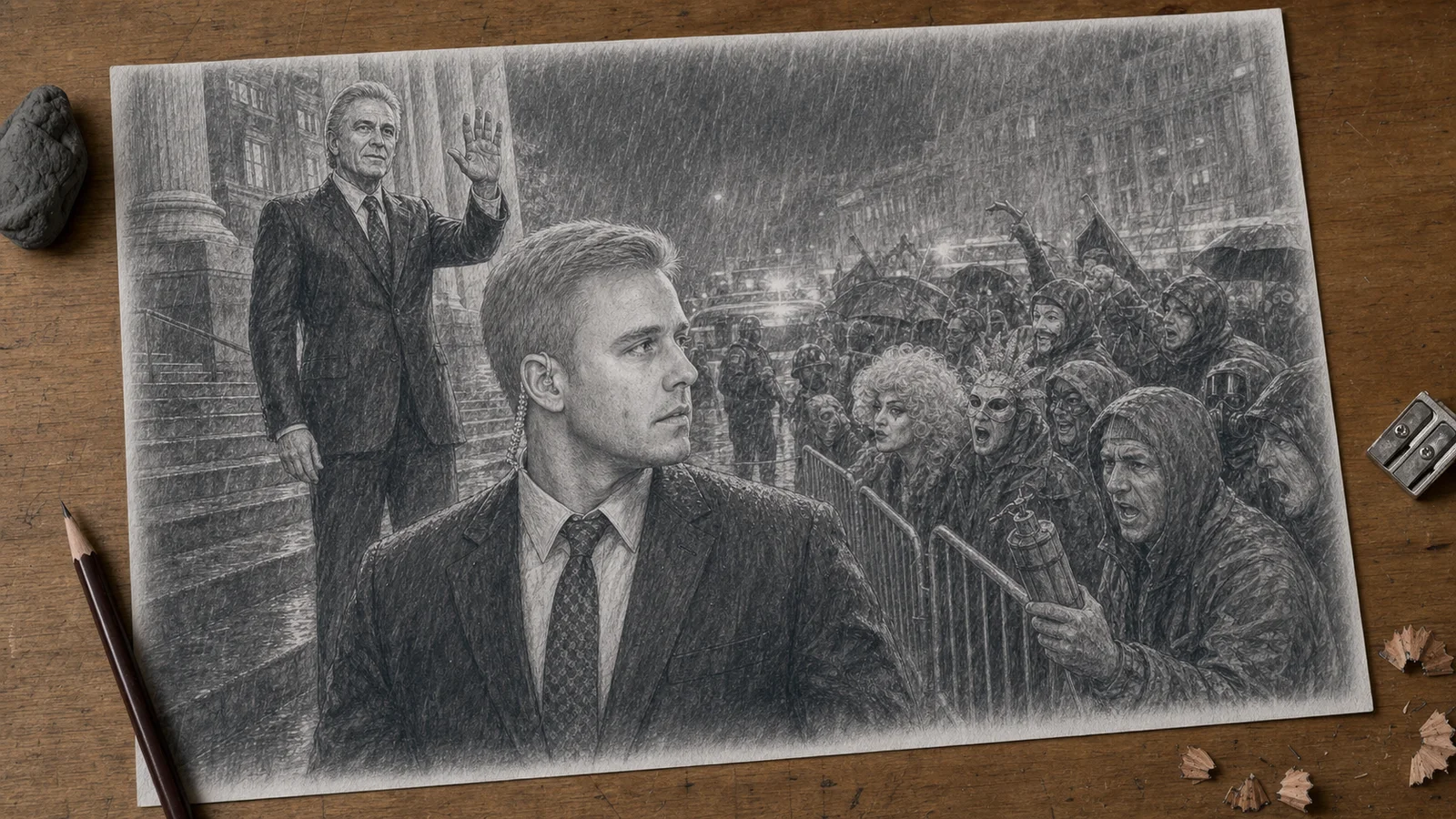
The next few years were mostly normal, which meant they were mostly boring.
Protection is preparation wrapped around waiting. We checked rooms, routes, kitchens, rooftops, vehicles, staff lists, mail, and every person close enough to cause trouble. Then we stood still while Dickenson shook hands and promised people things he had no intention of giving them.
The country changed around us. Maybe it had always been changing and I was finally standing close enough to notice. People became more partisan, more suspicious, and more certain that anybody who disagreed with them was not merely wrong but evil.
We found a homemade firecracker in one man's backpack outside a hotel. At another event, a person in a rainbow wig sprayed mace at people walking past and called every one of them a Nazi. Most of these people were not dangerous in the organized sense. They were angry, theatrical, and desperate to make strangers feel something.
I had gone from a professional in a serious world to a babysitter in an adult day care.
That was how I described it then.
Looking back, I think the agitation had another source. The country felt pressure before it understood where the pressure came from. Animals sense weather. People sense intrusion.
Dickenson remained calm through all of it. Too calm.
His private schedule contained gaps nobody explained. Visitors arrived without being processed through normal channels. Some wore expensive suits and spoke perfect English, but never used contractions. Others appeared on no camera I could find after they left.
Once, I entered his study and caught him covering something with a cloth. Violet light escaped between his fingers.
"A gift," he said.
"From whom?"
"An old constituency."
I laughed because he did.
The agents closest to him did not.
08
The night at Dickenson house
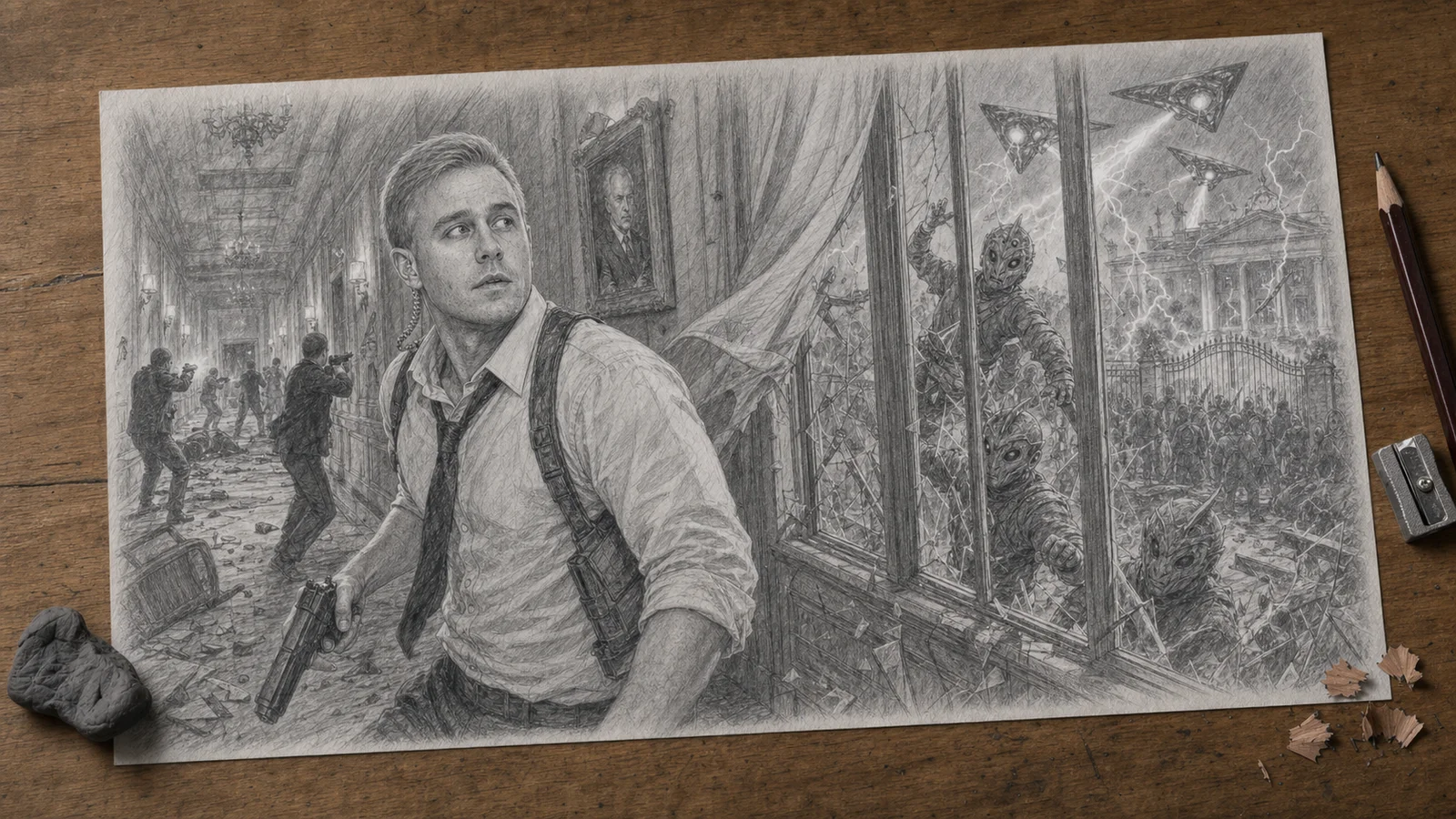
The night everything changed began with a sound above the house.
It was too low for an aircraft and too heavy for any commercial drone I knew. The windows vibrated in their frames. Lights dimmed, recovered, and dimmed again.
The gate team reported movement in the trees. Then every radio on the property filled with the same burst of static.
I was in the main hall when the first device struck the lawn. It did not explode. It released a sphere of blue-white interference that rolled across the grounds. Cameras went dark as it passed. The house alarm began cycling through tones I had never heard.
Figures pressed against the outer fence. Some wore cheap alien masks and silver costumes, the kind of stunt protestors used when they wanted television coverage. Others looked like shadows wearing clothes. They stood too still while the people around them shouted.
Someone climbed onto a first-floor ledge and struck the glass with both hands.
Another figure appeared on the roof without crossing any ground camera.
My first thought was foreign intelligence. A hostile government using experimental drones, directed-energy devices, and hired chaos to frighten or extract the senator. It was a wild theory, but it belonged to the world I knew.
The truth did not.
We moved Dickenson toward the hardened section of the residence. Halfway there, the corridor lights failed. I felt a pressure change, heard glass break somewhere above us, and lost sight of the lead team.
When the emergency lamps came on, Dickenson was gone.
No one admitted seeing him leave.
I checked the safe room, the service stairs, and the secure office. Empty. A pulse of violet light flashed beneath the door to his private chamber.
I drew my weapon and went inside.
09
The crystal
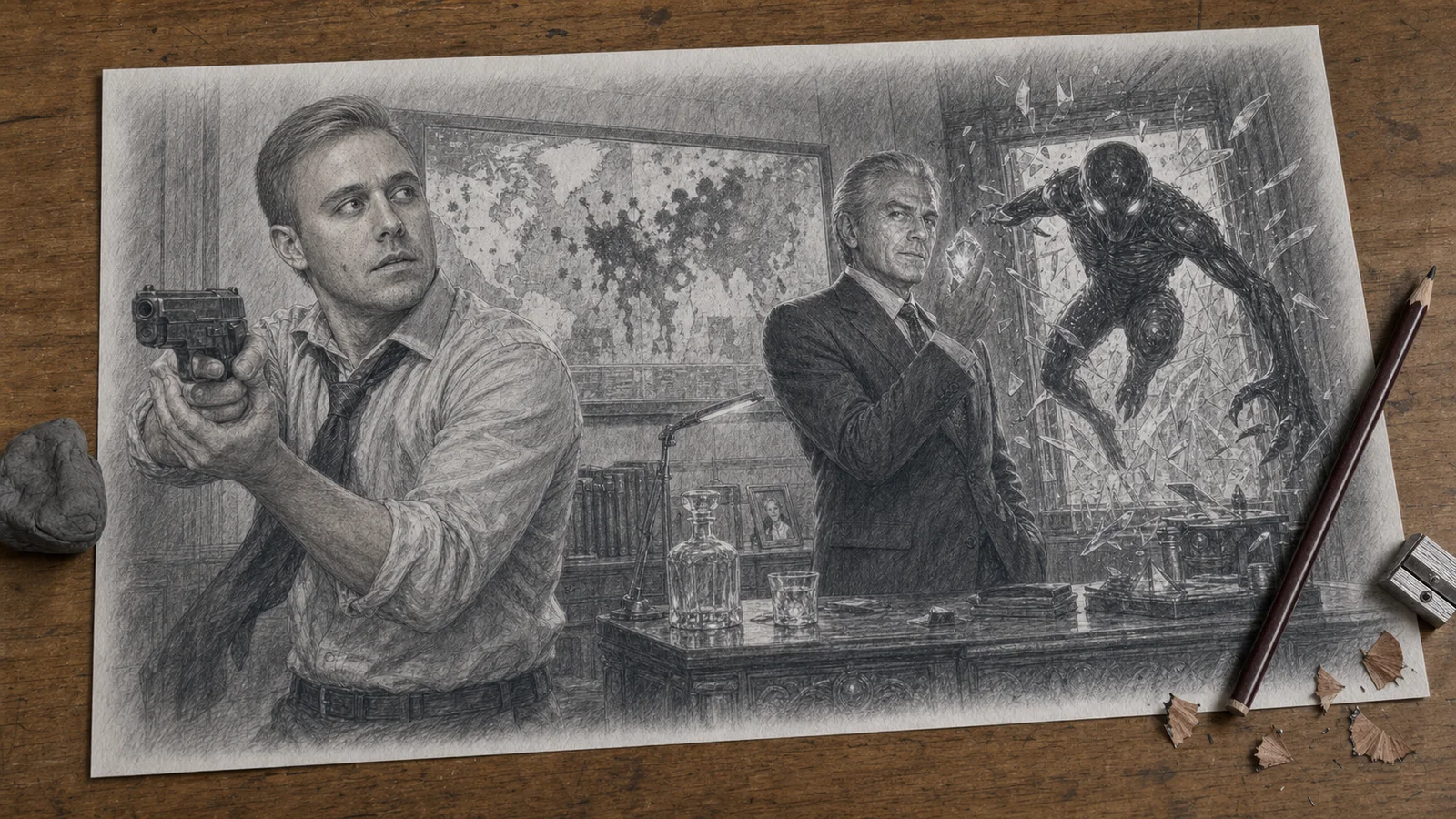
Dickenson stood in front of a wall display with a crystal held near his mouth.
It was larger than the object I had glimpsed beneath the cloth, faceted like cut glass but lit from somewhere inside itself. Violet patterns moved through his hand and climbed the skin of his wrist.
He was speaking in a language that did not sound spoken. The tones overlapped, one low and one high, as if two mouths were using the same breath.
The display behind him showed a map of the world. Pale marks spread across continents in branching clusters. They looked like infection, growth, or contamination.
I raised my weapon.
"Put it down, Senator."
Dickenson turned slowly. The violet geometry remained visible across one side of his face.
"You misunderstand what you are seeing."
"That sentence has never improved a situation."
Something struck the window behind him.
Dickenson looked past me and said, "No."
The glass came inward.
A creature crossed the room before the shards reached the floor. It was tall, black, and lean, with limbs that bent too far and a surface that reflected light like wet stone. Its pale eyes fixed on Dickenson.
I had one clear shot.
I took it.
The round struck the creature high in the chest. It twisted in the air, hit the edge of the desk, and collapsed into a shape that seemed smaller than the thing that had entered.
Dickenson stared at it, then at me.
"We are here to protect your world," he said.
The words should have sounded ridiculous. Instead, they fit the room too well.
He told me there were two factions operating on Earth. His people had lived among us for generations, quietly steering governments, industries, and institutions away from extinction. The creature I shot belonged to a rival force that viewed humanity as biological material and Earth as territory.
"The patterns on the map?" I asked.
"Their expansion."
"And yours?"
He smiled without warmth.
"Our protection."
Members of the detail entered behind me. Their movements were synchronized. Violet lines appeared beneath the skin around their eyes.
I understood too late that I had not uncovered the secret. The secret had recruited me years earlier.
Two agents took my weapon.
Dickenson placed the crystal on the desk and approached.
"You saved me twice," he said. "That deserves preservation."
"Preservation?"
"You are a timeline relic. A living witness from before the transition. One day, your perspective will be invaluable."
"And until then?"
His expression settled into something colder than gratitude.
"You have seen the factions, the crystal, and the faces beneath our disguises. You know too much to return to your old life. Consider what comes next your reward."
The crystal brightened.
The room turned cold.
I remember trying to reach him. I remember hands holding my arms. I remember ice moving through my chest where the bullet scar had healed.
Then I remember nothing.
10
The exhibit
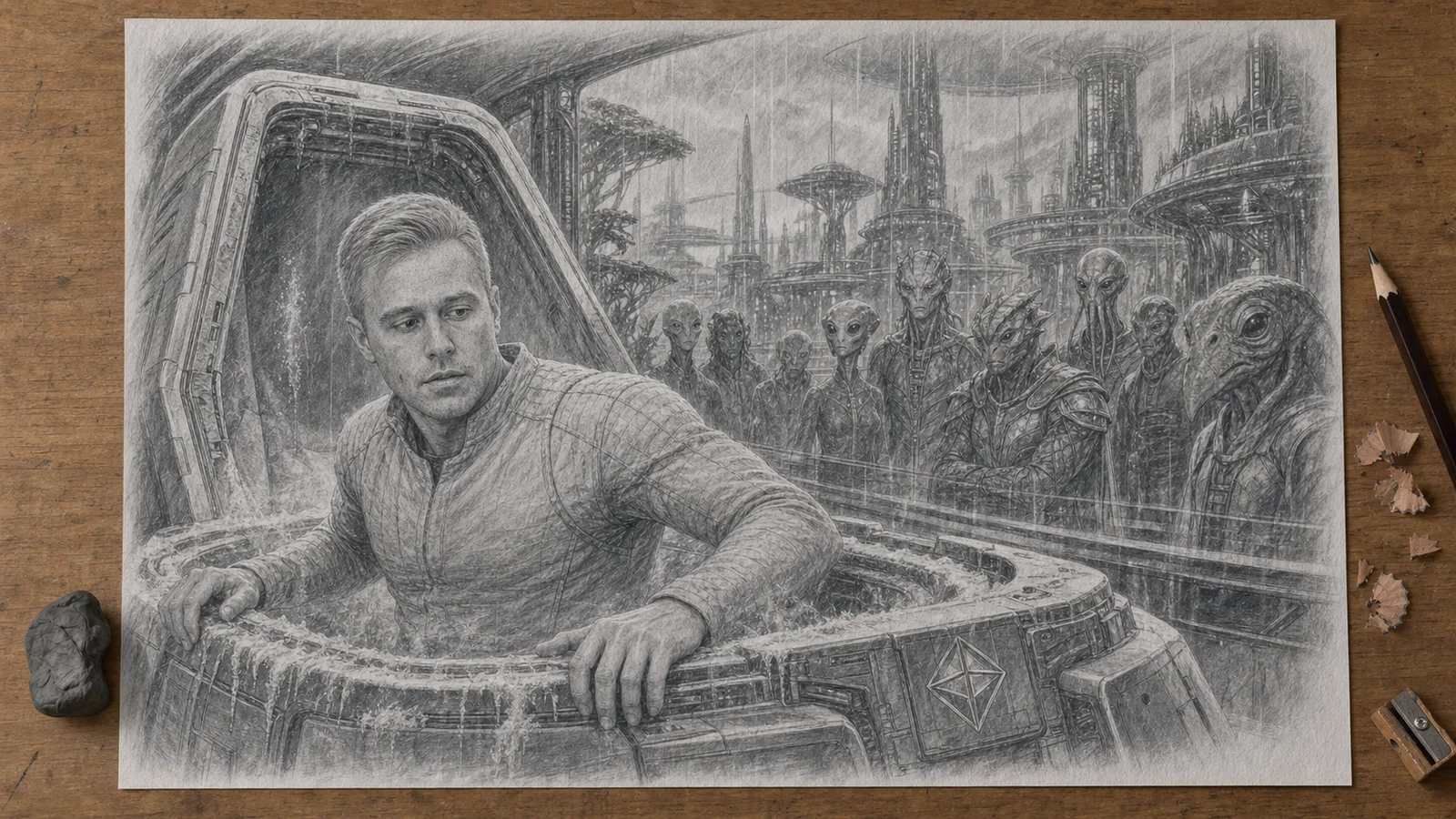
I woke because the machine decided it was time.
Frost cracked beneath my hands. A transparent cover had opened above me, and warm air poured into the chamber carrying smells I could not name.
I climbed out on legs that remembered gravity but not strength. Every breath hurt. My skin looked the same. The scar on my shoulder was still there.
The room beyond the chamber was not a room.
It was an enclosure.
A curved transparent wall separated me from a broad walkway. Shapes gathered on the other side. Some were tall and narrow. Some moved on four limbs. One floated inside a harness filled with dark fluid. They watched me with the patient interest people once brought to a zoo.
Beyond them, the world rose in impossible layers. Towers curved upward like grown bone. Bridges hung without supports. Unfamiliar vegetation covered the remains of buildings I almost recognized. Rain fell through a pale green sky.
It had been many years. How many, I could not tell.
A symbol on the chamber caught my attention. Four angled lines enclosing a narrow diamond.
The same geometry that had moved through Dickenson's crystal.
A figure approached the barrier. Its face was almost human until it turned sideways. A device at its throat translated the sounds it made.
"The preserved one is responsive."
Another figure leaned closer.
"Security caste?"
"Yes. Pre-transition. Direct contact with the protector administration. Classified as informed."
"Release restriction?"
"Permanent. It knows too much."
Protector.
I looked past them again. Small groups of humans moved between distant structures under guard. Other enclosures lined the walkway. In one, children pressed their palms against glass while visitors watched.
Dickenson had told the truth.
His people had protected the world from the rival faction. They had defeated the creatures that wanted to consume us, and then they had kept the planet for themselves.
They had never intended to save humanity. They had protected their future property until they were strong enough to claim it. The governments they guided, the institutions they infiltrated, and the crises they prevented had all served the same patient plan: weaken our choices, remove their rivals, and inherit an obedient Earth.
I had believed I was choosing between humanity and invasion. I had really been choosing between two owners.
Either choice was a losing choice.
The translated voice spoke again.
"Do not be afraid. Your world has been protected."
The barrier brightened between us. A panel beside it displayed a translated label: HUMAN PROTECTOR, PRE-TRANSITION. Beneath it, another line identified the enclosure as a reward habitat.
Dickenson had kept his promise. I had been preserved because I saved him, imprisoned because I knew too much, and displayed so Earth's new overlords could admire the loyal animal that helped them win.
Rain moved across the enclosure roof. For one impossible second, I smelled wet sand, diesel fuel, and canvas.
I remembered Kuwait. I remembered the desert coming alive beneath the storm. I remembered believing that survival and freedom were the same thing.
The secret world had always been among us.
By the time I finally saw it, we were the secret.